Our approach

We turn up, listen and stay

The core of our work is simple to describe and genuinely hard to do consistently well: we turn up, we listen carefully, and we stay. When someone walks into a drop-in session at our Falkirk hub for the first time, they are usually carrying a complicated mixture of hope, exhaustion and wariness. Our peer support workers know that mixture from the inside. They don't rush to fix things or fill the silence with advice.

They ask what would actually be helpful today — and then they try to provide it, whether that is information about a service, company for an hour, or a warm handover to a statutory professional who can help with something beyond our remit.

"We know the right name to ask for and the right number to call. When we signpost someone, the signpost actually works."

Beyond the individual sessions, we invest significant effort in staying connected to the broader landscape of support in Forth Valley. We attend the local alcohol and drug partnership forums. We maintain working relationships with pharmacists, GPs' receptionists, housing officers and community mental health link workers. That network means that when we signpost someone to another service, the signpost actually works — because we know the right name to ask for and the right number to call.

Recovery is rarely achieved through one organisation alone; it is threaded together from many different kinds of help, and we try to be the thread that connects them.


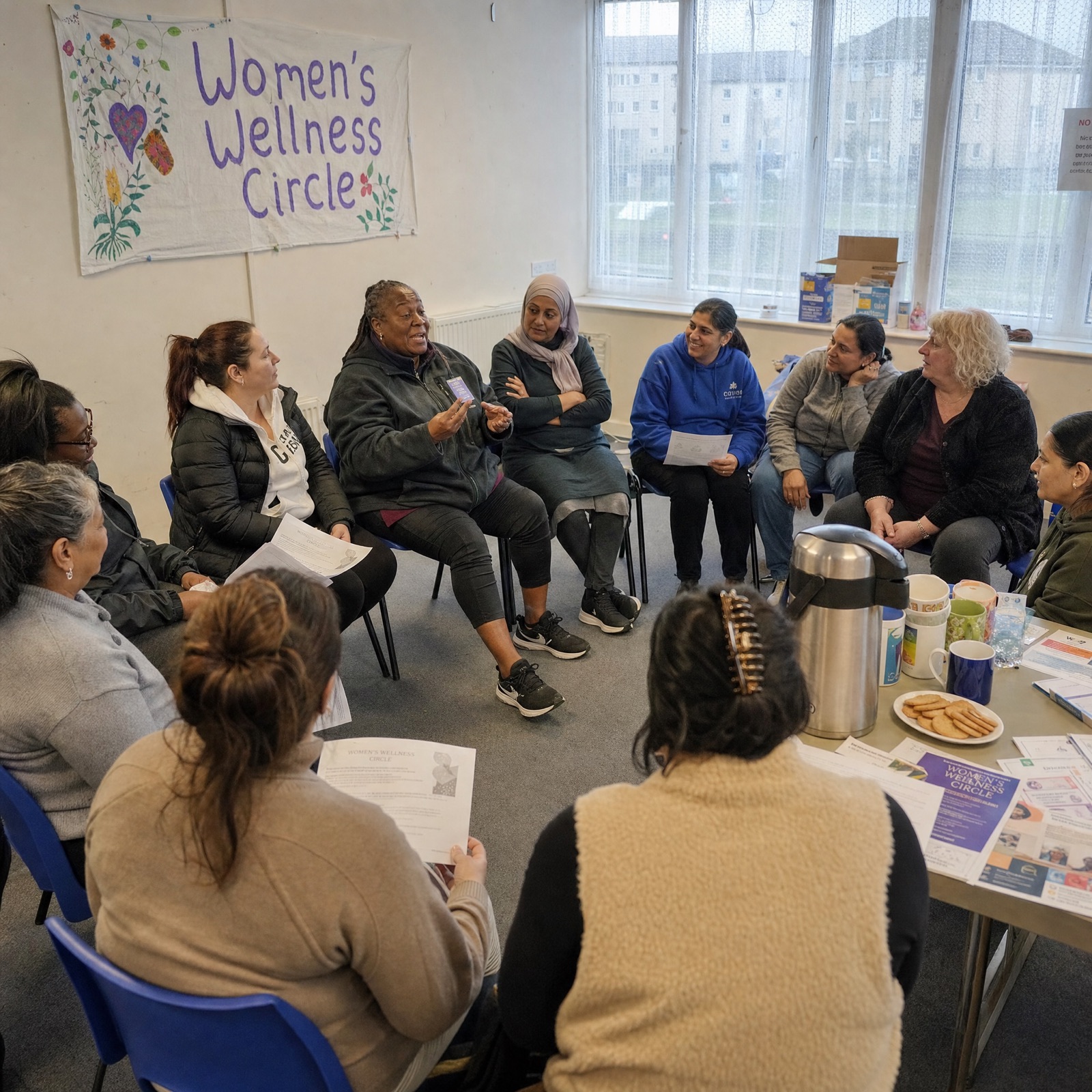
People seated in a circle at a support group session in a Falkirk community hall
Our programmes

Four ways we can help

Every programme is shaped around real need — what the people coming through our door tell us makes the difference. We keep things practical, human and consistent.

Weekly Drop-In Sessions

A regular open-door space in central Falkirk where anyone in recovery — or thinking about it — can come in, have a conversation and leave with something useful.

Drop-in runs every Tuesday and Thursday afternoon and on Saturday mornings at our community hub near Falkirk town centre. No appointment is needed and no identification is required. Trained peer support workers are always present, along with up-to-date information leaflets on local services, welfare rights and housing. We also keep a small lending library of recovery-focused reading and a noticeboard listing free activities, groups and courses across Forth Valley.

One-to-One Peer Mentoring

Matched, ongoing support from a peer mentor who has their own experience of recovery and the time to build a real, consistent relationship over weeks and months.

Individuals referred into one-to-one mentoring are carefully matched with a trained volunteer peer mentor based on shared experience, availability and personal preferences. Pairs meet weekly, typically for an hour, in a location of the individual's choosing — our hub, a local café, a community garden or by phone. Mentors are supervised monthly by our lead support worker and receive regular training updates. The programme typically runs for three to six months, with a gentle transition plan as people grow in confidence.

Signposting and Navigation

Cutting through the complexity of local services so that people can access the practical support — housing, benefits, mental health, prescriptions — that underpins recovery.

Our signposting workers maintain live, up-to-date knowledge of what is available across Falkirk Council, NHS Forth Valley, the local foodbank network, housing associations, welfare rights services and the voluntary sector. At appointments, they sit alongside the individual, explain each option in straightforward language, and where appropriate make warm introductions — a phone call or a letter — rather than handing over a leaflet and hoping. Follow-up contact within two weeks ensures the connection has actually been made.

Wellbeing and Life Skills Workshops

Practical group sessions covering sleep, nutrition, managing anxiety, budgeting and building everyday routines — the unglamorous but essential building blocks of a stable life.

Workshops run in blocks of four to six sessions and are facilitated jointly by peer support workers and, where relevant, visiting professionals such as a NHS health improvement officer or a money advice worker from Citizens Advice. Attendance is kept small — no more than eight participants — so that the room stays safe and conversations stay real. Topics are chosen in response to what participants say they need most and change from block to block. Past series have covered cooking on a budget, understanding prescriptions and medication, managing landlord relationships, and dealing with loneliness.

Referrals & self-referrals

You can refer yourself — or someone can refer you

We accept referrals from GPs, pharmacists, social workers, housing officers and probation services across Forth Valley. We also accept self-referrals with no form-filling beyond a first name and a phone number. There is no wrong door and no wrong reason to get in touch.

If you are a professional wanting to make a referral, please use our contact form or call directly. We aim to make first contact within two working days and will always be honest with you about capacity and timelines.

For individuals seeking support, you can also simply walk into one of our Tuesday, Thursday or Saturday drop-in sessions. No prior contact needed. Someone will be there to welcome you.

Make a referral Self-refer
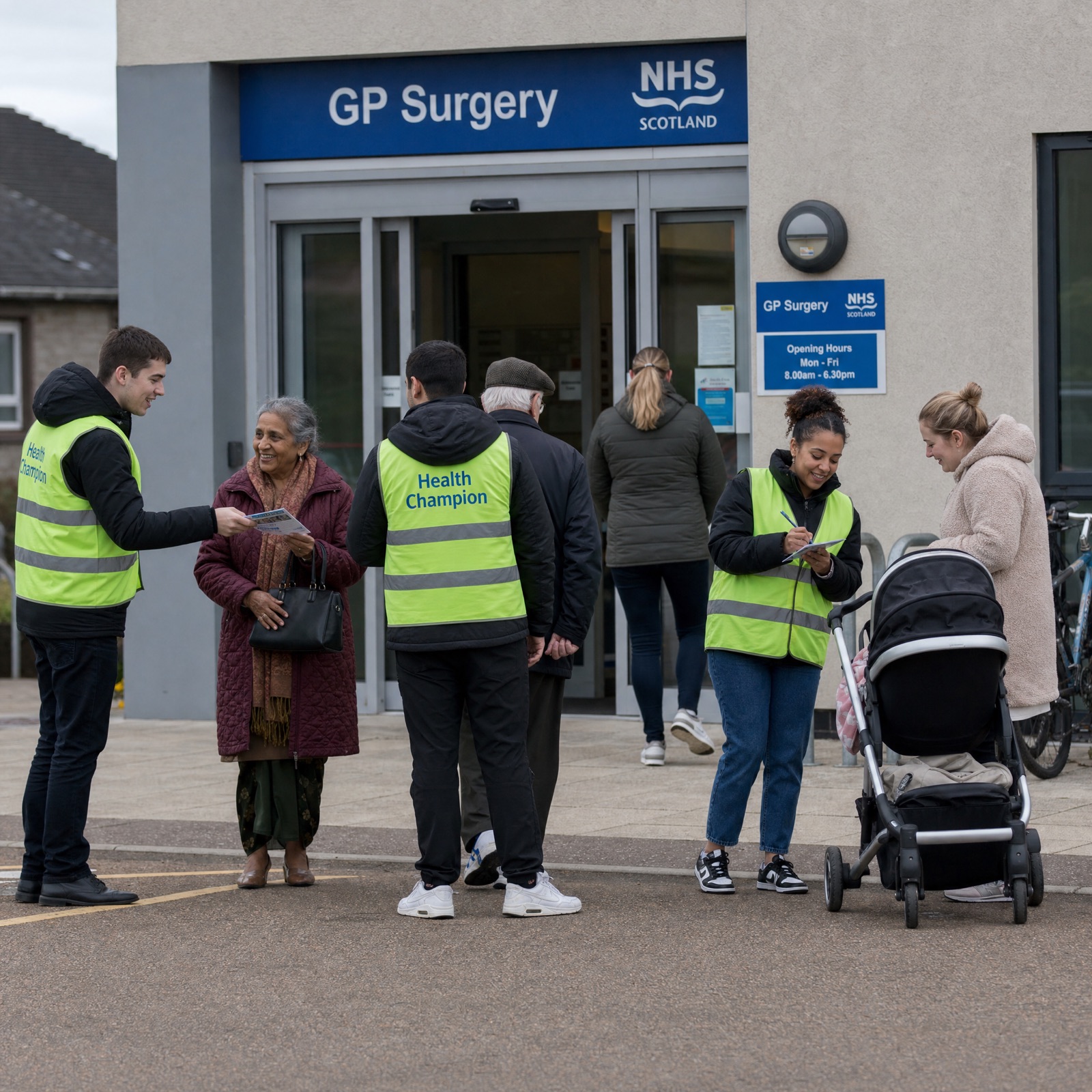
A volunteer talking to members of the public at a community event

You don't have to figure this out alone

Our drop-in sessions are open on Tuesday and Thursday afternoons and Saturday mornings. Or get in touch any time — by email, by phone, or simply by walking through our door.

Get in touch today