
David is in his late forties, and he grew up in the Camelon area of Falkirk when the Carron works were still running. He remembers his father coming home from a shift, the rhythm of that — same time every day, the same sequence of things. When that world contracted and then disappeared, the rhythm went with it for a lot of families, including his.
"It is hard to explain to people who have not been through it," David says. "Addiction gives you a structure, in a horrible way. You wake up and you know what you are doing. Getting up with nothing to do and nowhere to go is its own kind of trap."
David has agreed to share part of his story because he wants other people in Falkirk to know that recovery does not require a dramatic turning point or a single moment of clarity. For him, it started with something almost embarrassingly ordinary: getting up at the same time every morning.
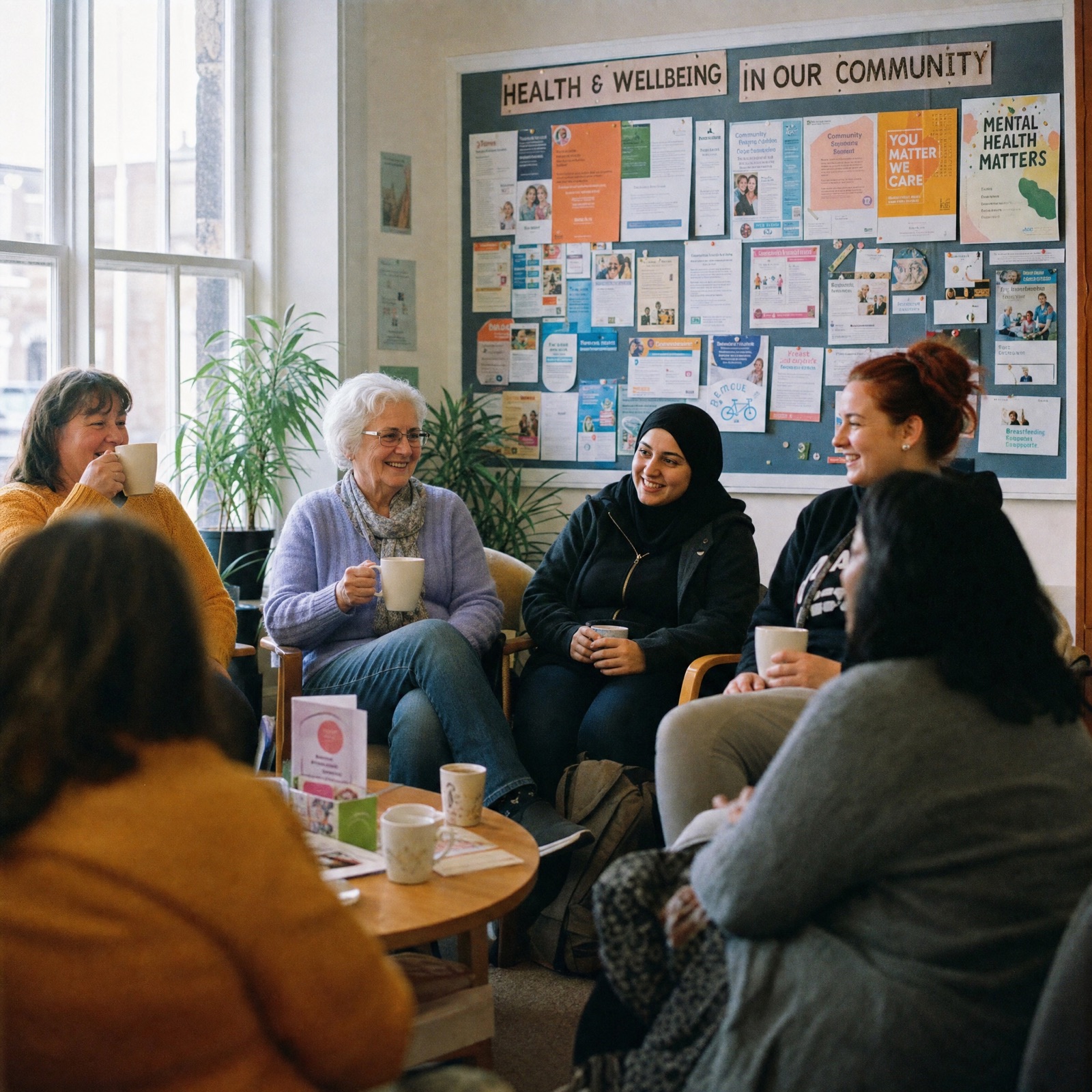
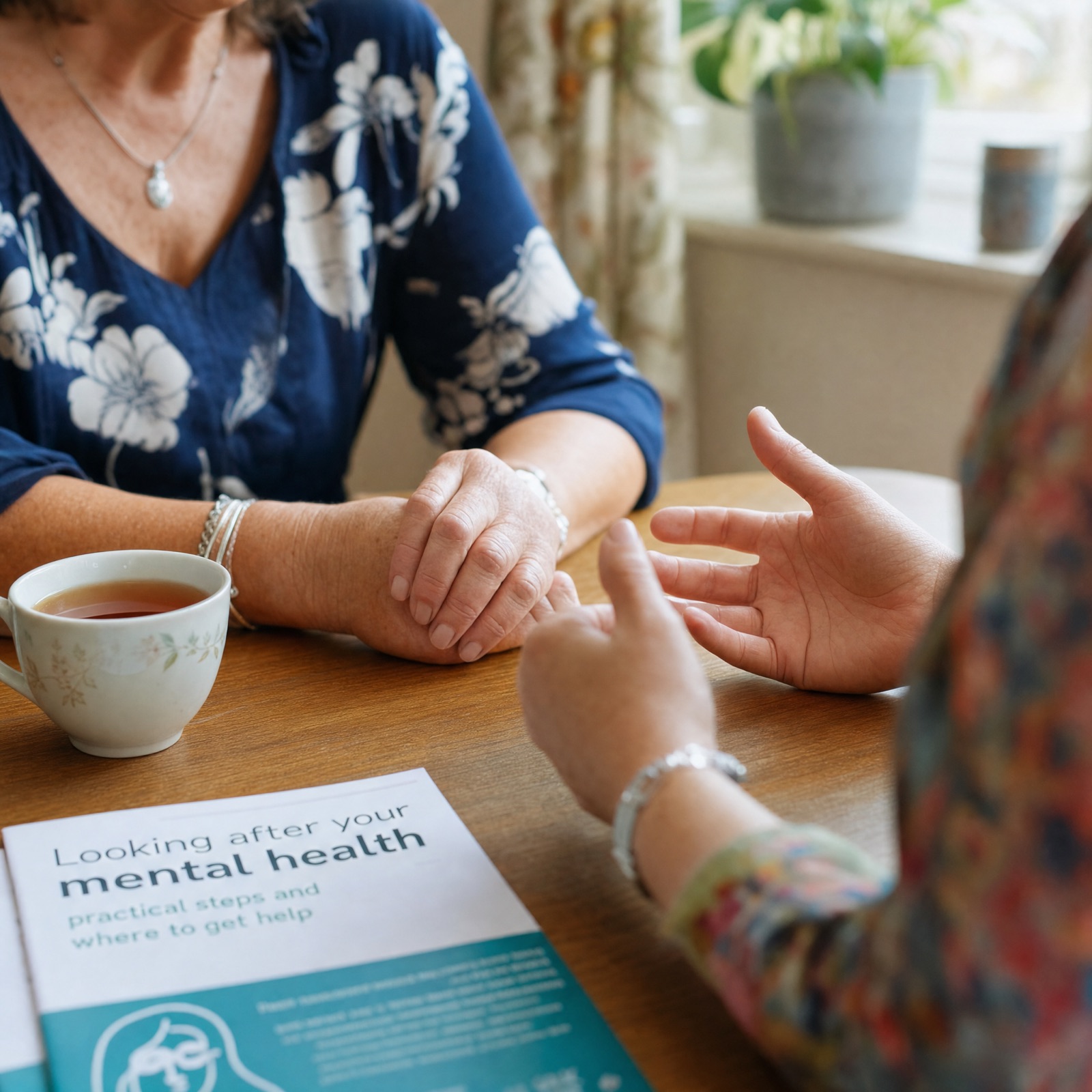
He first came to Vibrant Health Advocates - Epsilon after a referral from his GP. He was not sure what to expect. "I thought it would be like the other services — someone asking me questions off a list, not really listening." What he found instead was a peer supporter who had grown up in the same streets he had, who knew what the town felt like when the work was there and what it felt like after it was gone.
Over several months, David worked with that supporter to build what he calls a "scaffold" for his days. It was not complicated. A set alarm. A short walk in the morning. One commitment per day — sometimes attending a session at the centre, sometimes something as simple as buying his own food from the shops rather than relying on deliveries. "It sounds nothing. But for me it was everything. You get one thing stable and it holds the next thing up."
The signposting work Vibrant Health Advocates - Epsilon does also helped David access a benefits check he had been putting off for two years out of anxiety about the process. A plain-language explanation of what the appointment would involve, and a supporter who could come with him, made the difference. He was found eligible for support he had not known he was entitled to, which reduced the financial pressure that had been feeding his stress.
David now volunteers informally with the organisation when he is having a good period — not in an official capacity, but showing up, being visible, being someone a newer person can see and think: he made it past that bit.
"Falkirk is not an easy place to recover in," he says. "There is a lot of history here, a lot of pain in the community. But there are also people who genuinely want to help. That is what I did not know before — that the help could feel real."
If David's experience sounds familiar, we would like to hear from you. You do not need to have everything figured out before you get in touch.